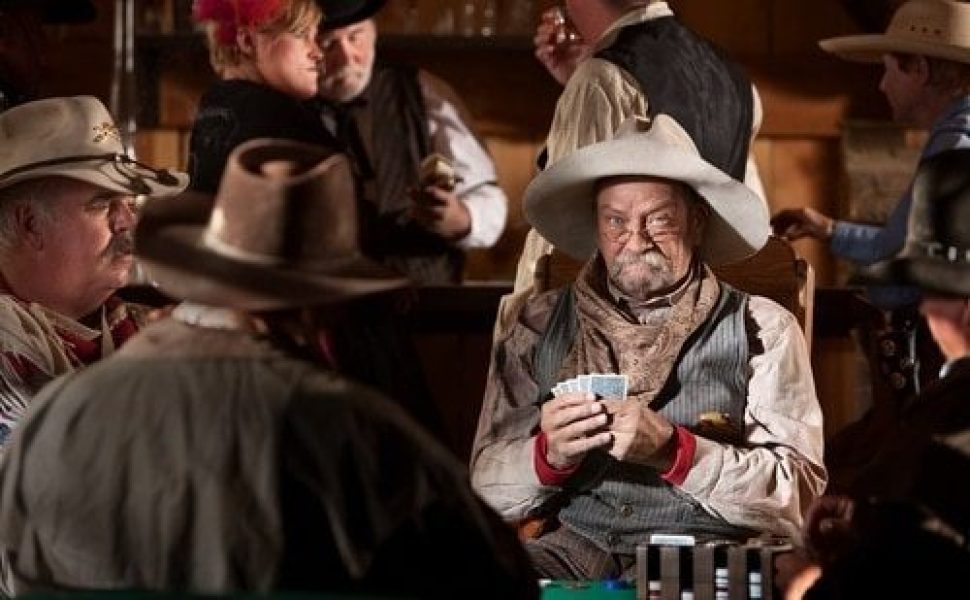
Bluffing in poker means betting a weak hand to make a stronger one fold. A bluff works best against few opponents, on a board that credibly threatens a big hand, and from late position where you act last. The most reliable bluffs are semi-bluffs, made with a drawing hand that can still improve if you get called.
Bluffing is the part of poker everyone knows about and most players get wrong, usually by doing it far too often. A good bluff is not about a steely poker face; it is about telling a believable story with your bets, in the right spot, against the right opponents. This guide covers when a bluff actually works, how to pick your spots, the semi-bluff that draws its power from real equity, and the mistakes to avoid. It builds on our complete guide to poker.
- Fewer opponents, better bluff. Bluffing one player is far easier than bluffing several, since everyone must fold for it to work.
- Tell a believable story. Your bet only works if the board and your line credibly represent a strong hand.
- Semi-bluffs are safest. Bluffing with a draw gives you a backup: you can still win by hitting your hand.
- Do not overdo it. Bluffing too often is the most common leak; good players bluff selectively, not constantly.
What is bluffing in poker?
A bluff is a bet or raise made with a hand you do not think is best, with the aim of making a stronger hand fold. It is one of the two ways to win a pot: either you have the best hand at showdown, or you make everyone else give up before it. Bluffing is what makes the second route possible, and it is why poker is a game of betting and not just cards.
The key idea is that a bluff is a story. Your bets, their sizing and their timing all need to add up to a believable picture of a strong hand. If that story is convincing, opponents fold; if it is not, they call, and you lose. This is why bluffing is a skill of situation and timing far more than of keeping a straight face, especially in the online games most Canadians play, where no one can see your face at all. What you are representing is always one of the strong poker hands, so the board has to make that claim believable.
When does a bluff work?
A bluff works when the situation makes folding the sensible choice for your opponent. Three factors matter most, and a good bluffing spot usually has all three lined up in your favour. Get them right and you rarely need to bluff often, because the bluffs you do make succeed.
- Few opponents. Everyone has to fold for a bluff to work, so bluffing one player is far easier than bluffing three. The more players in the pot, the more likely someone holds a hand worth calling with.
- A credible board. The community cards must make your story believable. A board that could easily have made a flush or straight lets you represent one; a dry, low board gives your opponent little to fear.
- Late position. Acting last means you have seen everyone else check or hesitate, which signals weakness. Bluffing from late position is far safer than firing blind from early position.
Notice that none of these is about your cards. A bluff is about the situation and what you can credibly represent, which is why the same weak hand is a great bluff in one spot and a disaster in another. The interactive below lets you feel how those factors combine.
Bluff decision tool
Set the situation below, the number of opponents, the board texture, your position and whether you hold a draw, and the tool weighs the factors into a bluff or check recommendation. It is a teaching aid to build your instinct for good spots, not a substitute for reading the specific players you face.
The semi-bluff explained
The semi-bluff is the most reliable bluff in poker, and the one beginners should lean on. It means bluffing with a hand that is weak now but could improve, usually a straight or flush draw. It is powerful because it gives you two ways to win instead of one: your opponent might fold to your bet, and if they do call, you can still hit your draw and win at showdown.
Say you hold four cards to a flush on the turn. Betting as a pure bluff risks everything on a fold. But as a semi-bluff, even when you get called you have around a 19 percent chance to complete the flush on the river, so the bet has a backup. This link between bluffing and drawing odds is why the maths in our poker odds guide matters here, and why semi-bluffs with real outs are far safer than stone-cold bluffs with nothing.
Reading opponents and tells
Knowing who to bluff matters as much as when. The best target is a thinking player capable of folding a decent hand; the worst is a calling station who never folds, since you cannot bluff someone who always calls. Before you bluff, ask whether this particular opponent is capable of laying down their hand.
In live poker, physical tells exist, but they are far less reliable than films suggest, and staring people down or wearing sunglasses is mostly theatre. In online poker, where most Canadians play, the real tells are in the betting: timing, bet sizing and patterns. A sudden large bet, an instant call, or a long pause before a raise all carry information. Learning to read betting patterns is worth far more than any attempt to read a face.
Common bluffing mistakes
Most bluffing losses come from a handful of repeated errors. Avoiding these will do more for your results than any clever move, because a bluff that avoids these traps is usually a good one.
| Mistake | Why it fails |
|---|---|
| Bluffing too often | Opponents catch on and start calling, so your bluffs stop working |
| Bluffing too many players | The more opponents, the more likely one has a hand to call |
| Bluffing calling stations | Some players never fold; bluffing them simply burns chips |
| An unbelievable story | If your bets do not represent a real hand, they get called |
| Bluffing with no backup | A pure bluff with no draw has only one way to win |
The thread running through all of these is discipline. Bluffing works because you do it selectively, in spots where the story holds and the opposition is thin. Treating it as a constant weapon rather than an occasional one is what turns it from an edge into a leak. That discipline, and the emotional control behind it, is covered in the mindset section of our pillar guide.
Practising bluffing in Canada
Bluffing is a feel you build by playing, and low-stakes or play-money tables are the safest place to develop it. Start with semi-bluffs, where a missed bluff can still hit its draw, and pay attention to which spots and which opponents let your bluffs through. Live dealer tables add the read of real timing and betting rhythm while keeping the stakes manageable.