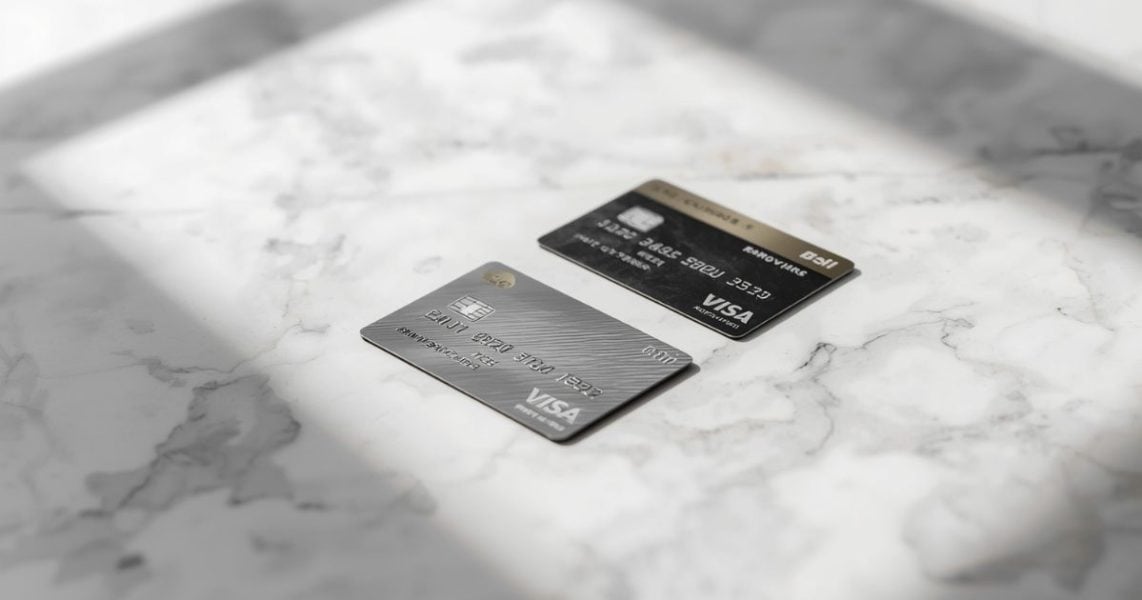
Yes, Visa and Mastercard are the most widely accepted ways to deposit at Canadian online casinos, and it is perfectly legal. The catch is your bank: many Canadian issuers block gambling card payments or treat them as cash advances with instant interest. A debit card avoids that, and if a card is declined, Interac is the reliable fallback.
A credit card casino Canada players can use is easy to find, since Visa and Mastercard are accepted almost everywhere, but cards are also the most temperamental way to deposit here. A card that works fine for online shopping can be declined at a cashier, or quietly charged as a cash advance, because the decision rests with your bank, not the casino. The estimator below shows what that cash-advance coding really costs; further down are the reasons cards get blocked and when to reach for Interac instead.
- Visa and Mastercard lead. Both are widely accepted and deposits are legal across Canada; American Express is supported far less often.
- Your bank decides, not the casino. Many Canadian issuers block gambling payments under merchant code 7995, and some treat them as cash advances.
- Debit beats credit here. It is approved more often, carries no cash-advance interest, and keeps you off borrowed money.
- Cards are deposit-only in practice. Most casinos pay winnings out by Interac or e-wallet rather than back to your card.
Credit card casino Canada basics: can you use a credit or debit card?
Yes. Visa and Mastercard are the most common deposit options at Canadian-facing casinos, the process mirrors any online purchase, and using a card for gambling is legal everywhere in Canada, at regulated Ontario and Alberta casinos as well as at offshore sites. What trips players up is that acceptance is not really the casino’s call. It depends on your issuing bank, your card type, and the payment processor in between. That is why two people can enter the same Visa at the same casino and get different results: one goes through, the other is declined because their bank blocks gambling merchant codes. Understanding that split, bank versus casino, is the key to using cards well.
Why debit usually beats credit
If you have the choice, a debit card is the better tool for casino deposits. It draws on money you already have, so you are not gambling on credit, it is approved more often than credit at gambling merchants, and crucially it sidesteps the cash-advance trap. Many Canadian banks treat a credit-card casino deposit as a cash advance, which means a fee plus interest that starts accruing immediately, with no grace period. Move the slider to see what that can add to a deposit.
Credit card
cash-advance fee plus first-month interest
Debit or Interac
no fee, no interest, same deposit
The takeaway is not that credit never works, it is that credit quietly costs more for the same play. If you do use a credit card, confirm in advance whether your issuer codes gambling as a cash advance.
Why your card gets declined, and what to do
A declined casino deposit is rarely about your balance. The block almost always comes from the bank, for one of these reasons.
- The bank blocks gambling outright. Some Canadian issuers refuse gambling merchant codes (the 7995 category) as policy, so the payment never clears no matter the amount.
- It is treated as a cash advance. The transaction may go through but get coded as cash-equivalent, triggering fees and immediate interest.
- An international or processor flag. Offshore casinos route payments abroad, which raises a bank’s fraud filters, and a processor may simply not support your specific card.
- A billing mismatch or limit. A wrong billing address, a daily card limit, or a prepaid-card restriction can all cause a clean decline even with funds available.
When a card fails, the fix is usually quick. Try a debit card rather than credit, double-check your billing details, or switch to Interac, which runs as a direct bank transfer and avoids the card networks entirely. For the bank-by-bank picture of who allows what, see our guide to Canadian banks and online gambling.
Visa, Mastercard and American Express
The three brands behave differently at Canadian cashiers, and the gap matters when you are choosing which card to use.
| Brand | Acceptance | What to know |
|---|---|---|
| Visa | Widest | Most accepted brand; Visa Debit tends to have the highest approval rate. |
| Mastercard | Wide | Almost as common as Visa; some issuers are quicker to code it as a cash advance. |
| American Express | Limited | Supported far less often due to higher fees and stricter policies; always check the cashier. |
A couple of older formats are worth noting: Visa Electron was retired globally and Maestro is being phased out in favour of Debit Mastercard, so you will not see those at modern cashiers. Prepaid Visa and Mastercard cards work through the same flow and are covered in our Vanilla prepaid card guide.
Withdrawals and security
Getting paid back to a card is the weak point. In Canada, most casinos do not return winnings to a credit or debit card; even where they do, a card refund is often capped at the amount you deposited. In practice, you set up a separate cashout method, almost always Interac or an e-wallet, before you play. Plan for that from the start, and see our guide to casino withdrawal times for the fastest routes.
On safety, cards are a strong choice. Licensed casinos use encrypted, PCI-compliant processing, and deposits are protected by EMV 3-D Secure, the layer behind Visa Secure and Mastercard Identity Check, plus network tokenization that keeps your real card number off the casino’s systems. Add the chargeback protection that comes with every major card, and a card deposit at a vetted operator is as secure as the casino behind it.