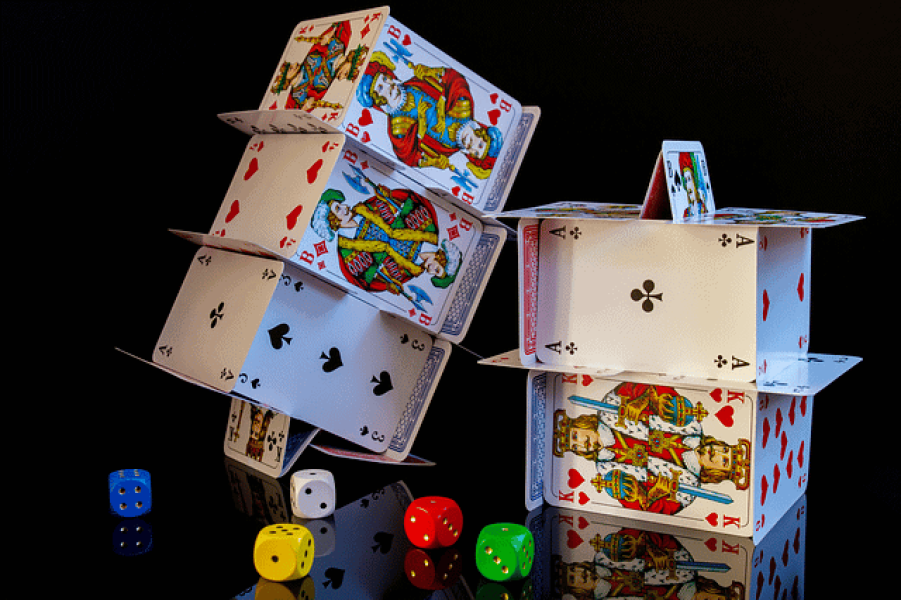
Every player has a gambling style: a habitual way of approaching a game that says a lot about what they enjoy and how they bet. Some chase the rush, some study the odds, some just want a relaxed evening with a few free spins. There is no single right way to play, but recognising your own gambling style helps you pick games that genuinely suit you and, just as importantly, spot the habits worth keeping in check. Below are the eight most common gambling styles, the games that fit each one, and how to work out which is yours.
- A gambling style is your habitual approach to play, shaped by what motivates you, how much risk you enjoy and how social you like the experience to be.
- There are eight common types of gambler, from the thrill-seeker to the analyst, and most people are a blend of two or three.
- No style is “best”, but some are more sustainable than others. The right style is one you enjoy and can keep within healthy limits.
- Knowing your style helps you choose games that match what you want from a session and set limits before you start.
What is a gambling style?
A gambling style is simply the pattern in how you play: the games you gravitate to, the size and pace of your bets, whether you plan or play on instinct, and what you are really there for. Two people can sit at the same table and have completely different gambling styles, one carefully managing a bankroll over hours, the other betting big for a quick hit of excitement.
Your style is shaped by three things above all: your motivation (fun, profit, escape or social contact), your appetite for risk, and how you handle the ups and downs. None of these is fixed, and many players shift between styles depending on their mood, the game or how the night is going. The value in naming your style is self-awareness: it makes it easier to pick games you will actually enjoy and to notice when your play is drifting somewhere less healthy.
These are descriptions of preference, not clinical categories. Formal research classifies gamblers on a different basis: the widely cited Pathways Model, published by Alex Blaszczynski and Lia Nower in 2002, groups people who develop gambling problems into three routes rather than eight personalities, and it describes how a problem begins rather than what someone enjoys. The Division on Addiction at Cambridge Health Alliance, a Harvard Medical School teaching hospital, publishes a plain-English summary of the model and the research testing it.
The 8 gambling styles
Sometimes called the adrenaline junkie, the thrill-seeker is there for the rush. Winning is welcome, but the real draw is the excitement of the moment. They tend to play fast, trust their gut over the maths, and rarely overthink a move. It is an entertaining, sociable style, though it can tip into impulsive betting when emotions take over.
The opposite of the thrill-seeker, the analyst keeps the long game in mind at all times. Calm, patient and well-informed, they study odds and house edge, manage a bankroll deliberately, and only commit when the numbers make sense. They gravitate to games where decisions actually matter and the house edge can be kept low, which is why blackjack played to basic strategy is the classic analyst game.
The specialist, or prognosis expert, knows one or two games inside out. For them gambling is a craft, and they prefer games of skill where knowledge pays off. They keep their emotions hidden, make the most of loyalty programmes, and tend to be the players a poker room rewards, because they play consistently and well.
The socialiser (the player-versus-player type) is there for the company as much as the game. They thrive on interaction, banter and a shared table, so they favour formats that let them play against real people or a live host rather than a silent machine. Online, that means live dealer games with a chat box and a real croupier.
The solo player (the player-versus-machine type) prefers their own company and a game they can play at their own pace. They like the simplicity and privacy of machines, keep up with the newest releases, and enjoy exploring features without any social pressure. Understanding how online slots work gets more out of that time than any lucky charm.
The casual gambler keeps things light and cheap. They love free-play modes, demos and no-deposit offers, and they are happy to play purely for the fun of it without risking much, if any, real cash. For them, gambling is occasional entertainment rather than a pursuit.
The aspiring pro (the wannabe pro) knows a fair amount and sits somewhere between the thrill-seeker and the specialist. They have the knowledge to make good decisions but not always the discipline to stick to them, which can lead to inconsistent results when emotion overrides the plan.
The all-or-nothing player chases the one big win, often betting more than planned and brushing past the odds. It is the highest-risk style on this list, and the one most likely to drift into harmful play. If staking big to recover losses or to feel the buzz sounds familiar, it is worth pausing and checking in with a quick self-assessment, there is good, free support available below.
The eight styles compared
| Gambling style | What drives them | Games that suit | Main risk to watch |
|---|---|---|---|
| Thrill-Seeker | Excitement | High-volatility slots, fast roulette | Impulsive betting |
| Analyst | The long-term edge | Blackjack, video poker | Faith in “systems” |
| Specialist | Mastery | Poker, blackjack | Tilt after variance |
| Socialiser | Interaction | Live dealer, poker | Playing too long |
| Solo Player | Privacy and pace | Slots, RNG games | Marathon sessions |
| Casual Player | Light entertainment | Demos, free spins | Low risk overall |
| Aspiring Pro | Getting better | Strategy games | Inconsistent discipline |
| All-or-Nothing | The big win | Strict limits first | Chasing losses |
So which gambling style is best for you?
There is no single best gambling style, because the right one depends on what you want from a session. If you play to relax and be entertained, the casual or solo styles fit naturally. If you enjoy a mental challenge, the analyst and specialist styles reward the effort and tend to favour games with a lower house edge. If you are there for the buzz and the company, the thrill-seeker and socialiser styles deliver that.
What matters more than the label is sustainability. The casual and analyst styles tend to be the easiest to keep healthy, because they are built around limits and realistic expectations. The all-or-nothing style is the one to be most careful with. Whichever you lean towards, the best version of your style is one where you set a budget and a time limit before you start, treat any winnings as a bonus rather than an income, and stop when the fun stops.
How to find your gambling style
You probably recognised yourself in one or two of the styles above already. To pin it down, answer the four questions below and the profiler scores every style against your answers, then names your primary and secondary style.
Most people land on a primary style with a secondary one close behind. Once you know them, you can lean into games that suit you, our guide to finding the casino game that is perfect for you is a good next step, and set the kind of limits that keep your style fun for the long run.